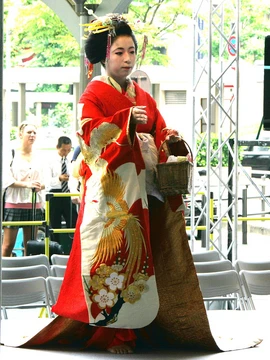
Sei Shōnagon
Heian court lady and author of The Pillow Book, as translated by Arthur Waley.

Sei Shōnagon is known as the author of The Pillow Book, translated by Arthur Waley in 1928. Waley's translation brought this classic of Japanese literature to the English-reading general public. The source does not provide details about her life, dates, or background.
- known_for
- Author of The Pillow Book
Verified Timeline
Lore & Background
Arthur Waley translated Sei Shōnagon's The Pillow Book in 1928, as part of his wide range of translations from classical Japanese literature. Waley's work on The Pillow Book followed his earlier translations of Japanese poetry and The Tale of Genji. The source does not provide any further information about Sei Shōnagon's life, her service at court, her family, or her other writings.
Reader's Guide
Sei Shōnagon's The Pillow Book is one of the key works translated by Arthur Waley, who is described as 'the great transmitter of the high literary cultures of China and Japan to the English-reading general public.' Waley's translation of The Pillow Book (1928) appeared alongside his translations of The Tale of Genji (1925–33) and Japanese Poetry: The Uta (1919). The source does not provide details about the content, style, or significance of The Pillow Book itself.
Did You Know?
- Arthur Waley translated Sei Shōnagon's The Pillow Book in 1928.
- Waley's translation of The Pillow Book was part of his broader work bringing Japanese classical literature to English readers.
- The Pillow Book was one of several major Japanese works Waley translated, including The Tale of Genji and Japanese Poetry: The Uta.
- Waley never visited Japan or China, yet translated major works of both countries' classical literature.
Frequently Asked Questions
Who is Sei Shōnagon?
She was a Japanese court lady, poet, and writer from the middle Heian period, best remembered for composing The Pillow Book. She is widely regarded as one of the most celebrated female voices in Japanese literary history.
What is The Pillow Book?
It is a loosely structured collection of short observations, lists, gossip, poetry, and personal complaints she gathered while living at the imperial court. The work is considered a foundational text of the zuihitsu (essay) genre in Japanese literature.
When did Sei Shōnagon live?
She was born around 966 and died sometime between 1017 and 1025, placing her life squarely in the middle Heian period of Japan.
What was her role at the imperial court?
She served as a lady-in-waiting to Empress Teishi (also known as Sadako) around the year 1000. That position gave her a front-row seat to the rituals, politics, and daily textures of Heian court life, which became the raw material for her writing.
Why is Sei Shōnagon important to Asian literature?
Her sharp, witty, and candid voice broke from the more formal conventions of her era and offered readers an unfiltered look inside Heian court culture. The Pillow Book remains a touchstone for anyone studying early Japanese prose and the broader zuihitsu tradition.
More in Asian Literary Voices 1-22
Spotted an error? Know more?
This is a living reference — every entry is fact-audited, and reader corrections feed straight into our audit queue. Suggest an edit · See this site's audit record